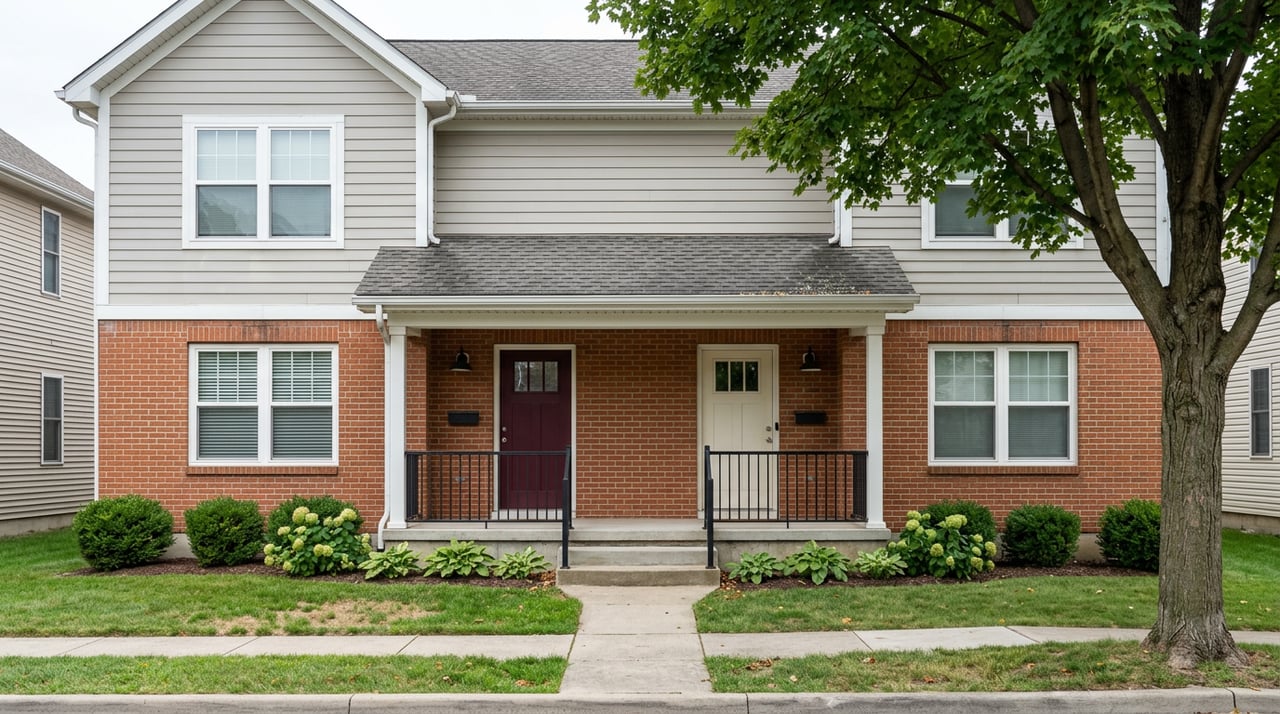
Thinking about buying a small rental in DuBois but not sure where to start? You want real numbers, clear steps, and a plan that fits a small-town market. This guide gives you practical price and rent ranges, quick cash-flow math, local legal basics, and a checklist you can use today. Let’s dive in.
DuBois market at a glance
DuBois is a lower-price, small-city market where many single-family rental candidates trade in the low-to-mid $100Ks. Data sources use different methods and can disagree in small markets, so expect a range and verify with current MLS comps before you write an offer.
On rents, recent samples suggest a conservative band of about $700 to $1,000 for many 1-bedroom units and $800 to $1,400 for many 2-bedroom units. The overall DuBois median across sizes sits near about $850 according to Zumper’s rent research, while some 2-bedroom samples run higher in Rentometer’s local reports. Ranges exist because of smaller sample sizes, unit type differences, and seasonality.
For vacancy and demand, 2020 Census extracts report DuBois rental vacancy near about 7.9% and Clearfield County near about 8% (see the DuBois summary). Vacancy can shift with employers and new supply. Penn Highlands DuBois is a major, steady demand anchor for the area (learn more about the hospital). Logistics and distribution changes can move demand in the near term, so check current conditions before you buy.
What to buy in DuBois
Single-family rentals
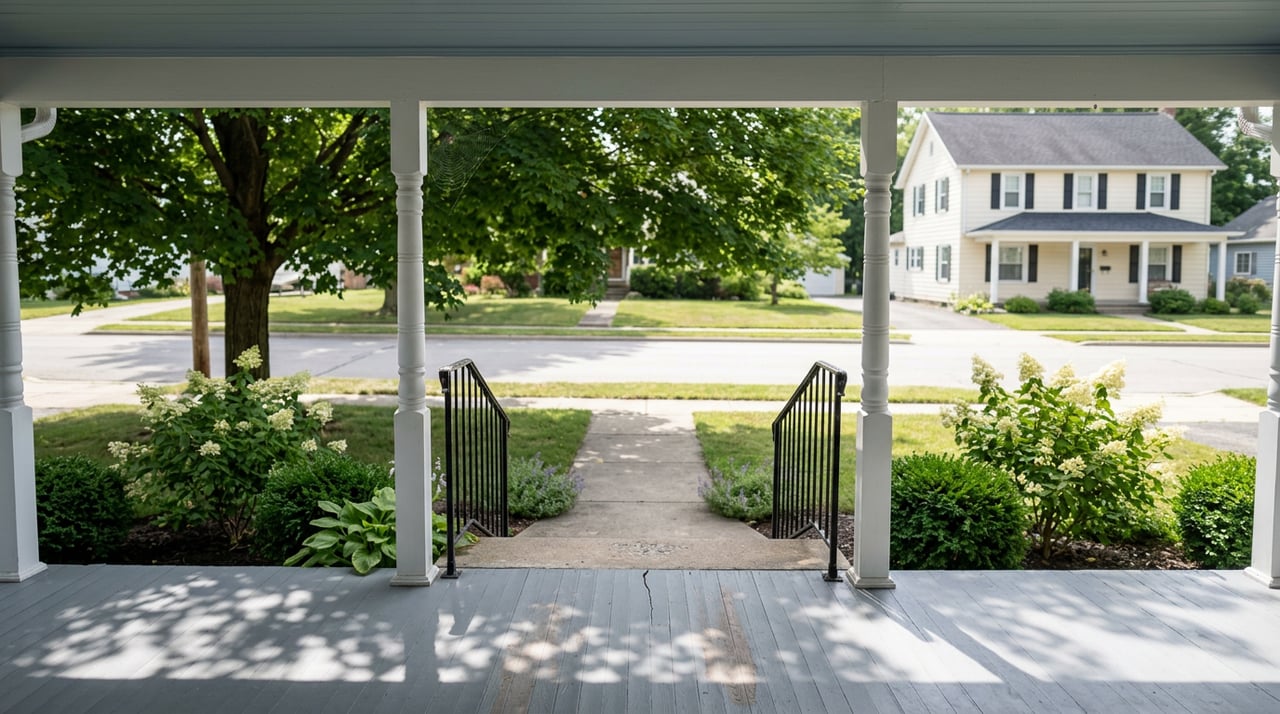
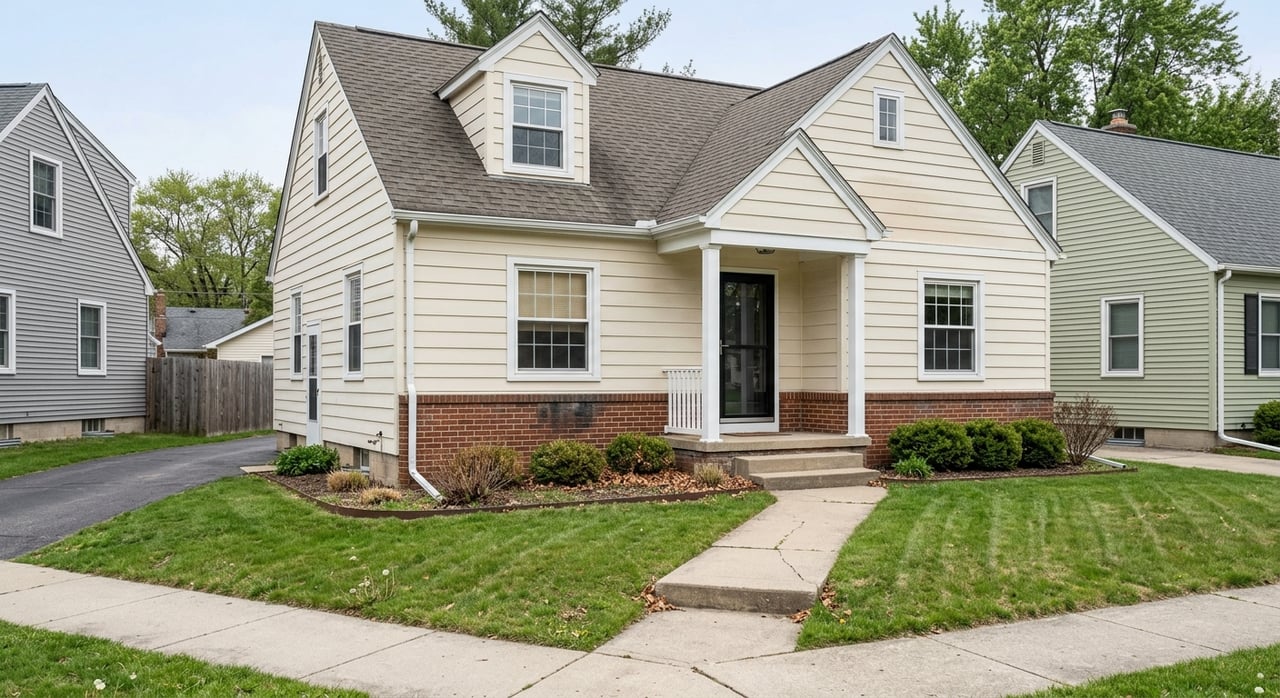
You will find many affordable single-family options. These can attract longer stays, especially when well maintained. DuBois has an older housing stock in several neighborhoods, so plan for typical system updates and lead-based paint disclosures on pre-1978 homes. Always include an inspection contingency.
Duplexes and 2-unit properties
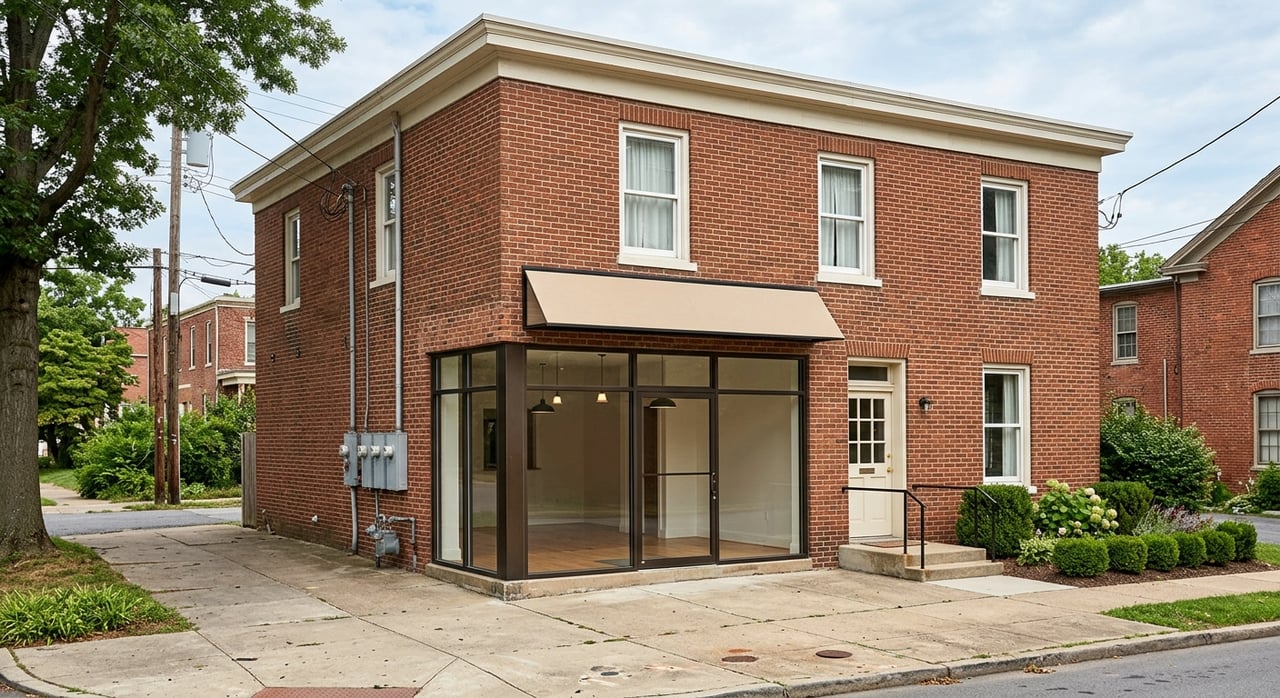
Duplexes are a common first small-multifamily purchase. They offer rental diversification under one roof and often price below newer single-family homes, reflecting older stock and smaller unit sizes. Financing is usually simpler than larger buildings.
3–4 unit buildings
These “mom-and-pop” multifamily properties exist but are less common. Underwrite for potentially higher short-term vacancy and more frequent maintenance. Rely on local MLS activity to see how many come to market in a typical year.
For housing age and condition context, review local data on DuBois’s older stock in resources like City-Data’s housing summary.
Underwrite with simple, local inputs
Key numbers to plug in
- Purchase price: build examples in the low-to-mid $100Ks and confirm with current MLS comps.
- Market rent: check live comparables. Use a conservative rent line near the local median (about $850) and an optimistic line for stronger 2-bedroom comps (often up to about $1,200+). See Zumper and Rentometer.
- Vacancy allowance: model 8 to 10 percent for conservative screening in DuBois, given 2020 vacancy near about 7.9 to 8 percent.
- Expenses: the quick “50% rule” says estimate about 50 percent of gross rent for operating expenses before debt service. It is a screening shortcut, not a final budget. Learn more about the rule on BiggerPockets.
- Property management: if you outsource, many managers charge about 8 to 12 percent of collected rent, plus leasing and other fees. See typical fee structures here: common property management fees.
Example quick pro forma (illustrative)
Assume a 2-bedroom single-family rental:
- Price: $150,000.
- Market rent: $900 per month ($10,800 per year) as a conservative case.
- Vacancy: 8 percent. Effective gross income ≈ $10,800 × 0.92 = $9,936.
- Expenses (50% rule on gross rent): ≈ $5,400 per year.
- Net Operating Income (NOI): ≈ $9,936 − $5,400 = $4,536 per year.
If you fine-tune expenses to 40 percent of gross rent, expenses would be about $4,320 and the NOI about $5,616. Use your actual line items and a lender quote to complete debt service, cap rate, and cash-on-cash returns. Small-market cash flow can swing with one repair or one longer vacancy, so keep healthy reserves.
Operating costs to expect
- Property taxes. Check parcel-level tax bills and millage before you buy. Start with Clearfield County assessment and recorder resources.
- Insurance. Older homes or updated systems can change premiums. Shop local carriers.
- Maintenance and turns. Plan for at least 5 to 10 percent of collected rent in routine repairs and turnover costs, or use the 50% rule for fast screening.
- Utilities and services. Clarify who pays for water, sewer, trash, lawn, and snow. Owner-paid items reduce NOI.
- Property management. Budget about 8 to 12 percent of collected rent if you outsource, and ask about leasing, renewal, and maintenance markups.
Screening and Pennsylvania legal basics
Screen consistently and fairly
Many landlords start by verifying income at roughly 2.5 to 3 times monthly rent, confirming employment or deposits, reviewing credit and eviction history, and checking landlord references. Apply the same criteria for every applicant and follow the FCRA if you use consumer reports. A quick primer on screening standards is available from industry resources like this overview.
Security deposits and timelines
Pennsylvania requires specific handling of deposits and timelines. Landlords must return a security deposit or an itemized list of deductions within 30 days after lease termination and surrender. Review a state summary here: Pennsylvania landlord-tenant law overview.
Eviction notices and court process
For nonpayment, a 10-day notice to pay or quit is commonly used in Pennsylvania. Landlord-tenant possession cases are filed in Magisterial District Courts and follow set timelines for filing, hearing, possible appeal, and an order of possession. See the relevant court rules in the Pennsylvania Code. Always consult an attorney for current procedures.
Self-manage or hire help?
Consider a professional manager if you have more than a few doors, live out of the area, or prefer not to handle leasing and 24/7 maintenance. Managers reduce your time burden and can help with compliance and vacancy management, but expect about 8 to 12 percent of collected rent plus leasing and other fees (typical fee ranges). Model the cost against your time value and potential vacancy reduction.
Your step-by-step DuBois checklist
- Pull local comps. Review recent MLS sales and active rental listings in 15801 to set a realistic price and rent band.
- Cross-check rents. Use live listings plus third-party snapshots from sources like Zumper and Rentometer. Underwrite conservatively.
- Inspect and plan repairs. Include an inspection contingency. For pre-1978 homes, follow federal lead-based paint disclosure rules.
- Build three scenarios. Run pessimistic, base, and optimistic cases that vary vacancy (8 to 12 percent), management (0 to 10 percent), and rent (−10 percent, baseline, +10 percent). Use the 50% rule only for quick screening, then refine line items.
- Verify taxes and local codes. Pull parcel taxes and check borough requirements for any rental registration or inspection using county resources.
- Set screening criteria. Apply income, credit, and reference standards consistently and follow FCRA and fair housing guidance. See a screening overview.
- Decide on management. Price the time-versus-fee tradeoff and request full fee schedules from any manager you interview.
Ready to invest locally?
You do not need a big-city budget to build a solid rental portfolio in DuBois. With clear rent comps, conservative vacancy and expense assumptions, and consistent screening, you can move from idea to a confident offer. If you want local guidance on pricing, rental potential, or property management, start a conversation with Wanda Ryen and the Ryen Realty team.
FAQs
What are typical purchase prices for small rentals in DuBois, PA?
- Many single-family rental candidates trade in the low-to-mid $100Ks, but confirm current values with live MLS comps since small markets can shift quickly.
How much rent can a 2-bedroom in DuBois command today?
- Recent samples often range from about $800 to $1,400; the overall median across sizes is near $850 per Zumper’s research, and some 2-bedroom reports show higher comps in Rentometer.
What vacancy rate should I model for DuBois rentals?
- A conservative underwriting range is 8 to 10 percent; 2020 Census extracts placed city and county vacancy near about 7.9 to 8 percent (source).
What is a quick way to estimate expenses on a small DuBois rental?
- Use the “50% rule” as a fast screen, then replace it with line items for taxes, insurance, maintenance, utilities, and management. See BiggerPockets’ overview.
Do I need a property manager for a single rental in DuBois?
- Not required. Consider one if you are out of the area or want hands-off operations; typical fees run about 8 to 12 percent of collected rent plus leasing and other charges (fee guide).
What Pennsylvania rules should I know about deposits and notices?
- Landlords must return security deposits or deliver itemized deductions within 30 days after move-out, and a 10-day notice to pay or quit is commonly used for nonpayment; see the state law summary and court rules for details.