If you are thinking about buying an investment property in DuBois, one question matters right away: should you keep it simple with a single-family rental, or aim for higher income with a multi-unit property? That choice can shape your financing, day-to-day workload, and risk level more than almost any other decision. In a smaller market like DuBois, where inventory is limited and property types can be very different from one another, it helps to know what tradeoffs you are really making. Let’s dive in.
Why DuBois deserves a careful strategy
DuBois is a smaller, older housing market with a 2025 population estimate of 7,254. The city has a 59.1% owner-occupied rate, a median owner value of $123,600, a median gross rent of $899, and a median household income of $62,697. For you as an investor, that points to a market where affordability, repair costs, vacancy, and financing structure matter just as much as future appreciation.
Inventory also looks thin, especially once you move beyond standard houses. Public listing snapshots showed about 60 single-family listings in DuBois, only 2 duplex or triplex listings, and no mixed-use listings in a LoopNet search at the time of the research. That kind of scarcity can make speed important, but it also means each deal needs a careful review on price, condition, and rental potential.
Single-family rentals in DuBois
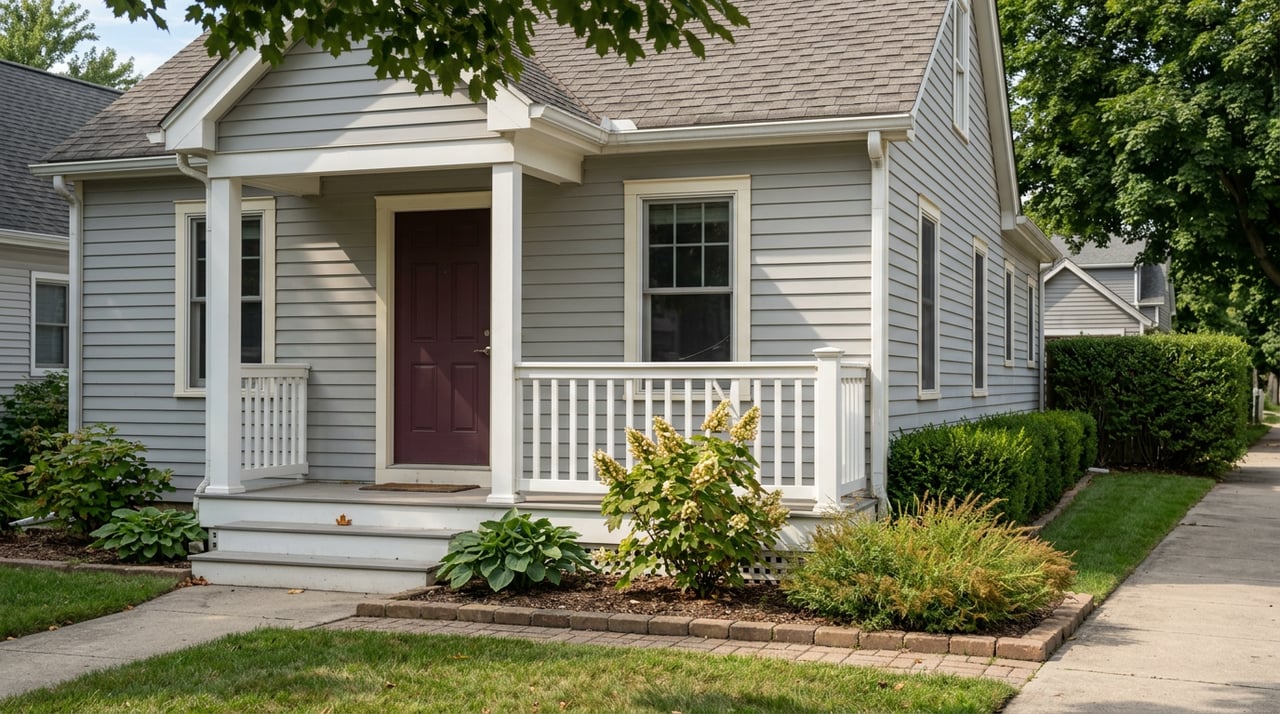
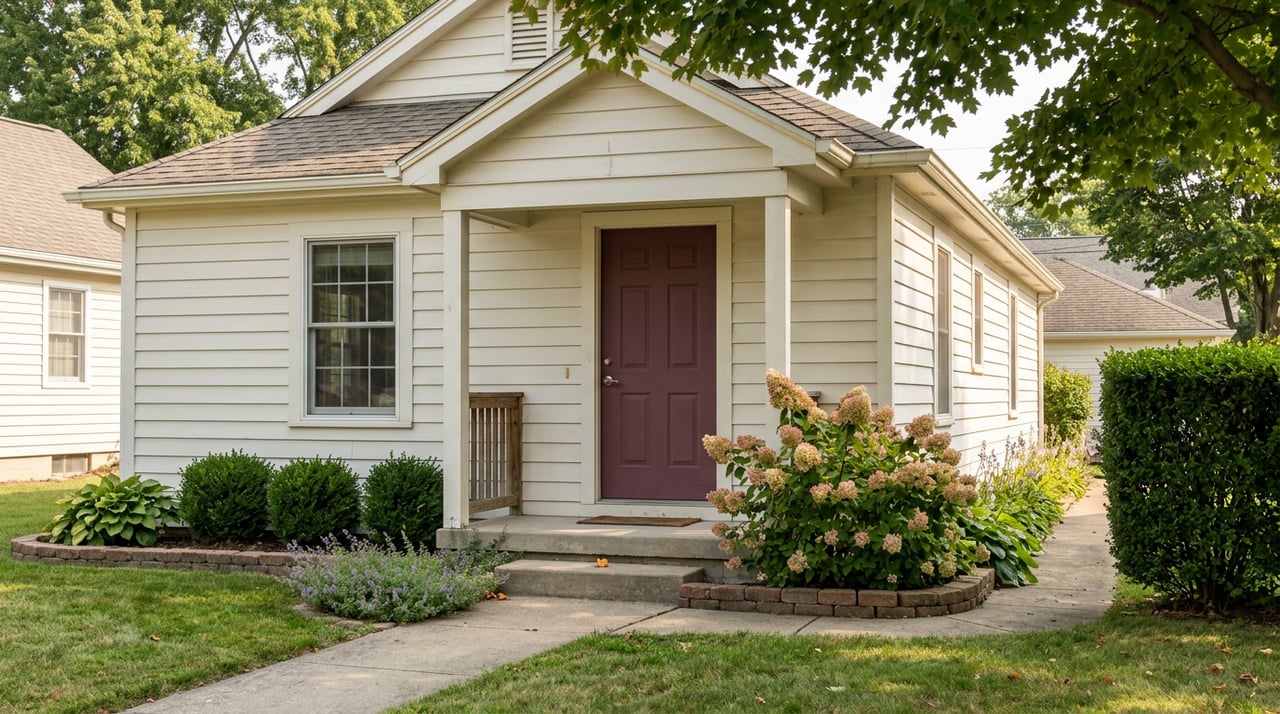
For many investors, a single-family rental is the most straightforward entry point. Public examples in DuBois have clustered mostly from the mid-$100,000s to the mid-$200,000s, with listed examples at $139,900, $149,900, $219,000, $245,000, and $249,900. Zillow’s DuBois home value index was also reported at $176,736, which helps frame the local price range.
That simplicity can matter a lot in a smaller market. With one unit, you typically have one lease, one household to manage, and fewer moving parts than you would in a duplex or triplex. If you are newer to investing, that can make your first rental easier to budget and operate.
Pros of a single-family rental
Single-family homes often appeal to investors who want a cleaner, more predictable setup. In DuBois, that can be especially useful because the public inventory is deeper in this category than in small multi-unit properties.
Benefits may include:
- Lower entry price compared with many small multi-unit options
- Simpler financing structure in many cases
- One lease and one tenant household to manage
- Fewer shared systems and common-area issues
- A property type that is easier to compare because there are more available listings
Tradeoffs to watch
The downside is concentration risk. If your one tenant moves out, your rental income drops to zero until the property is filled again. You also have fewer ways to offset unexpected repairs or seasonal vacancy because there is only one income stream.
In DuBois, where the renter base appears price-sensitive, monthly affordability matters. That means your margin can get tight if you overpay, underestimate repairs, or assume rent growth will solve problems later.
Small multi-unit investing in DuBois
A duplex, triplex, or small building can offer a different kind of opportunity. With multiple units, you have more than one rent stream, which can soften the blow if one tenant leaves. That income diversification is often the biggest reason investors step up from single-family rentals.
In DuBois, though, the challenge starts with supply. Public listing research found only two duplex or triplex listings, at $279,999 and $349,900. When there are that few options, it becomes even more important to move quickly but underwrite carefully.
Why multi-unit can be attractive
Small multi-unit properties can help spread risk across several leases. Instead of relying on one household, you may have two or three units supporting the property’s expenses. For some investors, that creates a stronger long-term income model.
This property type may be a fit if you want:
- More than one source of monthly rent
- A chance to reduce total income loss during vacancy
- A path to scaling without buying several separate houses
- A property that may produce stronger cash flow if purchased and managed well
Why multi-unit is harder to manage
More units also mean more responsibility. You may be dealing with multiple leases, more turnover points, more maintenance calls, and more wear on shared systems or common spaces. In a market like DuBois, where public inventory is limited, you also may have fewer direct comparable sales to help you judge value.
That makes condition and rentability critical. A duplex that looks strong on paper can still disappoint if one unit needs major repairs, if parking is limited, or if the layout makes leasing harder than expected.
A side-by-side look at the choice
| Property type | Main advantage | Main challenge | Best fit for |
|---|---|---|---|
| Single-family | Simpler ownership and management | One vacancy means no rent | Newer investors or buyers who want a cleaner setup |
| Duplex or triplex | Multiple rent streams | Higher management load | Investors comfortable with more moving parts |
| Mixed-use or live-work | Niche income potential | Zoning and operations are more complex | Experienced investors or owner-operators |
What about mixed-use in DuBois?
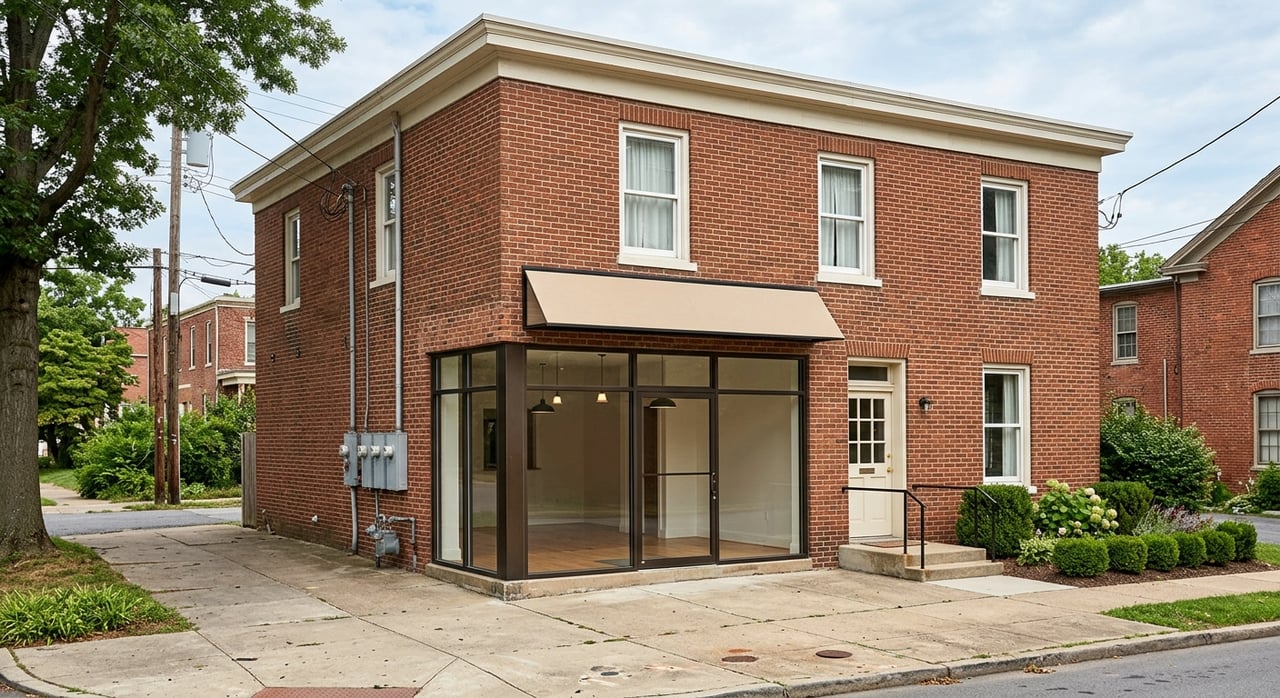
Mixed-use can sound appealing because it offers flexibility, but in DuBois it is a specialized lane. Publicly visible mixed-use inventory appears extremely sparse, though one local package at 540-548 Guy Ave was marketed as two residential homes plus a commercial garage for $325,000. That suggests these opportunities may show up as hybrid packages or converted buildings rather than classic mixed-use developments.
Zoning is a major factor here. In the city’s C Commercial District, uses such as retail shops, personal service businesses, banks, restaurants, cafes, and offices are permitted, while residential use is allowed only when it is accessory and incidental to commercial use. The district also includes minimum lot size, width, building height, and off-street parking requirements.
Why mixed-use needs extra caution
A mixed-use purchase can involve commercial tenants, residential tenants, signage, parking issues, and different lease expectations in one property. That is a lot to coordinate, especially if you are still building your investing systems.
For most DuBois investors, this is not the most beginner-friendly option. It is usually better suited to experienced buyers, owner-operators, or investors who already have legal and management support lined up before they go under contract.
How financing can affect your decision
It is easy to focus only on price, but financing can change which strategy actually works for you. The research report notes that reserve requirements can vary by occupancy, unit count, and the number of financed properties, with some investment and two- to four-unit transactions requiring six months of reserves. That is one reason to talk with a lender early if you are comparing a single-family rental with a duplex, triplex, or four-unit property.
A property that looks like the better deal on paper may require more cash reserves, a different loan structure, or stricter underwriting. Getting that information early can save you time and help you avoid chasing properties that do not match your financing profile.
Due diligence matters more in a thin market
When inventory is limited, it can be tempting to rush. In DuBois, that is exactly when your due diligence needs to get stronger. The city’s Code Enforcement Department handles permitting, enforcement, zoning, and inspections, and the city notes that ordinance violations can start at $25 per day.
Before you make an offer, it is smart to verify:
- Current zoning and allowed use
- Whether additions or conversions appear properly permitted
- Visible deferred maintenance
- Parking and access issues
- Whether the current use matches city requirements
These checks are important for any rental, but they become even more important with duplexes, triplexes, and mixed-use-style properties.
Residential landlord rules to keep in mind
If you plan to rent residential units, Pennsylvania’s Landlord and Tenant Act should be part of your planning from day one. The law limits residential security deposits to no more than two months’ rent in the first year and one month thereafter. It also requires a written itemized accounting within 30 days after lease termination.
Notice-to-quit rules can also vary based on lease length and the reason for termination. If you are buying your first rental, this is one more reason to get your lease process, bookkeeping, and operating systems organized before closing.
Fair housing is part of good investing
Strong investing is not only about numbers. It also means using consistent, lawful standards in marketing, screening, leasing, and property operations. The Pennsylvania Human Relations Commission states that Pennsylvania law prohibits housing discrimination based on race, color, religious creed, ancestry, age 40 and over, sex, national origin, familial status in housing, disability, use of support or guide animals for disability, and retaliation.
For you, that means fair-housing compliance should be built into your process from the start. Consistency protects both your business and your tenants, and it helps create a more stable long-term investment approach.
Which DuBois strategy fits you best?
For most investors in DuBois, the simplest path is still the single-family rental. It usually offers a lower entry point, a more familiar ownership experience, and fewer day-to-day moving parts. In a market with limited multi-unit inventory, that simplicity can be a real advantage.
If you are comfortable with more management and want multiple rent streams, a duplex or triplex may be worth the extra effort. Just be prepared to move fast when one hits the market and to study condition, leases, and rental demand very carefully.
Mixed-use is the most specialized option of the three. Because of DuBois zoning rules and the limited public inventory, it works best as a niche strategy rather than a standard first investment.
If you are weighing single-family, duplex, or light commercial opportunities in Clearfield County, working with a local team can help you compare property types, spot red flags, and move with more confidence. When you are ready to talk through your options, connect with Wanda Ryen for local guidance grounded in the DuBois market.
FAQs
What is the easiest rental property type to buy in DuBois?
- For many investors, a single-family rental is the easiest place to start because there are more listings, lower entry prices than many multi-unit options, and fewer management layers.
How common are duplexes and triplexes in DuBois?
- Public listing research in the report showed very limited supply, with only two duplex or triplex listings visible at the time of review.
What makes multi-unit investing in DuBois more complex?
- Small multi-unit properties can offer multiple rent streams, but they also bring more leases, more turnover risk, more maintenance coordination, and a greater need for careful underwriting.
What should investors verify before buying a DuBois rental property?
- You should check zoning, use conformity, permits, visible maintenance issues, parking, and whether the property appears to comply with city requirements before making a final decision.
Are mixed-use properties practical for first-time investors in DuBois?
- In most cases, mixed-use is better for experienced investors or owner-operators because local zoning, parking, and commercial-use issues can make these deals much more complex.
Why should DuBois investors talk to a lender early?
- Early lender conversations can help you understand reserve requirements, financing structure, and whether a single-family or two- to four-unit property better fits your budget and borrowing profile.