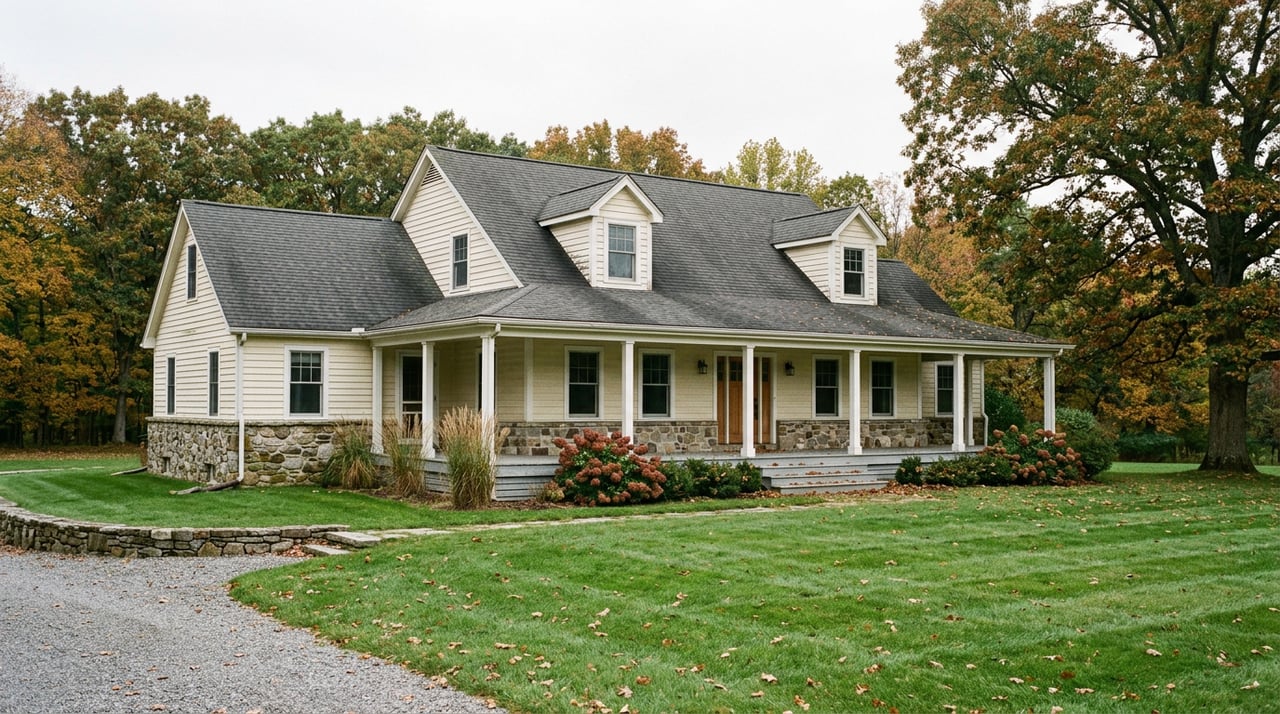
Picture the tract that looks perfect on paper. Thirty wooded acres outside Curwensville, a good well, a septic system installed within the last decade, and a seller who's motivated. The buyer gets an accepted offer, schedules the inspections everyone expects to schedule, and starts mentally moving in. Then, three weeks before closing, the title search comes back with a paragraph nobody warned them about: a notice, dated decades earlier, that the coal underneath the property was severed from the surface and sold to someone else entirely.
That single paragraph, not the septic tank, not the well, is what most often adds weeks to a land closing in Clearfield County. If you're buying or selling acreage here, the paperwork tied to a century of coal mining is the friction point worth understanding before you're staring at it during a thirty-day closing window.
The Deed Language Nobody Warns You About
A WFG underwriting bulletin says Pennsylvania law requires a specific disclosure in deeds for land located in counties where bituminous coal has historically been found and separately assessed for tax purposes. Clearfield County is one of them. The requirement traces back to the county's mining boom, when coal companies routinely bought the coal seams under a farm while the farmer kept the surface. Deeds from that era often read "oil and gas excepted and reserved" or carry similar language, which tells a title examiner that whoever owned the land at that point in history sold off what was underneath it.
When that happens, current law requires either a certification from the seller that any structure on the property has a right to support from the coal below, or a signed acknowledgment from the buyer, printed in contrasting type, stating that they understand they may not have protection against mine subsidence. This isn't boilerplate a title company skips. It has to be researched, confirmed, and written into the new deed correctly, and doing that research takes time.
For a buyer, this doesn't mean the deal is in trouble. Coal severance in this county is common enough to be closer to normal than exceptional. It does mean the paperwork isn't a formality you can rush through in the final week.
Why the Title Search Reaches Back Sixty Years
According to an Action Title Research guide, Pennsylvania's standard title search reaches back sixty years, longer than in most states. In a county with this much layered mining and timber history, that search often means digging through grantor and grantee index books at the Recorder of Deeds office rather than pulling up a clean digital record. Add a severed mineral estate to the mix, and the examiner isn't just confirming who owned the surface. They're tracing who owned the coal, who owned the oil and gas, and whether those interests were ever reunited with the surface or passed down through generations without a formal transfer.
Rural properties held in the same family for decades add another layer. Generational land transfer without a full probate process is common on rural Pennsylvania acreage, which means an ownership chain can depend on a will filed in Orphans' Court rather than a straightforward deed. None of this is unusual for this part of the state. It's just slower than a suburban title search, and it's worth knowing that going in rather than discovering it against a closing deadline.
The Septic and Well Story Is Actually the Easier Part
Buyers new to rural property often worry most about the well and septic system, and less about the title. In practice, it tends to run the other way. According to a Septic and Well guide, Pennsylvania has no statewide law requiring a septic inspection before a sale, but many townships and boroughs have their own point-of-sale ordinances, and FHA and VA loans generally require a water test regardless of local rules. A standard septic evaluation, including pumping the tank and checking the drainfield, generally costs between three hundred and six hundred dollars and takes an afternoon. Compare that to a full system replacement, which Penn State Extension puts at ten thousand to sixty thousand dollars or more depending on the system type and the site.
| Step | Typical cost | Who usually pays |
|---|---|---|
| Septic evaluation with pumping | $300 to $600 | Buyer, as part of due diligence |
| Water potability test | Often bundled with inspection | Buyer; FHA and VA loans generally require a water test |
| Full septic replacement | $10,000 to $60,000+ | Negotiated between buyer and seller if system fails |
The soil across much of central Pennsylvania is generally favorable for conventional septic systems, which keeps replacement costs more reasonable here than in tighter suburban lots elsewhere in the state. The real bottleneck isn't the system itself. It's finding a Sewage Enforcement Officer with an open slot, since these officers cover wide rural territory and some townships report longer waits for evaluations. Building that lead time into your offer timeline matters more than worrying about the tank.
What the Per-Acre Numbers Are Actually Telling You
Anyone shopping listings in this county has probably noticed the price-per-acre figures don't agree with each other. Depending on which listing source and which week you check, average land pricing here has ranged from under three thousand dollars an acre to nearly eighteen thousand dollars an acre, as of September 2026. That's not a typo and it's not a market in chaos. It's a sign that "land in Clearfield County" isn't one market at all.
The low end of that range tends to reflect large recreational and timber tracts, the kind bordering State Game Lands or running along a stocked trout stream, where buyers are paying for acreage and access rather than development potential. The high end shows up on smaller parcels with commercial frontage or borough-adjacent lots, like acreage bordering Clearfield Borough itself or a commercial property near Interstate 80. A hunting camp buyer and a small developer are shopping two different products that happen to share a county name. If you're comparing a listing's price per acre to a "county average" you saw somewhere, ask what kind of land made up that average before you use it to judge whether a specific tract is priced fairly.
The Ground Itself Has a Paper Trail
Clearfield County's coal history didn't just leave behind deed language. It left behind physical ground that the state is still actively reclaiming. The Morgan Run Natural Environment Area in Boggs Township is one example: a federally recognized reclamation project that eliminated more than seventeen hundred feet of dangerous highwall and twelve acres of coal spoil, then turned the site into a mile of trails, an amphitheater, and parking for more than 150 vehicles. The county's planning commission continues to review abandoned mine land features on other parcels too, including a documented problem area near Glen Richey that the state's Bureau of Abandoned Mine Reclamation has flagged for grading.
None of this means every wooded tract in the county sits on old mine ground. It means that on rural acreage here, especially anything with a mining-era history, it's reasonable to ask whether a property falls within a mapped abandoned mine land area, and to have that question answered before closing rather than after you've built on the site.
Getting Ahead of All of It
If you're buying acreage, a farm, or a hunting camp here, the moves that save time are simple but easy to skip. Order the title search the moment you're under contract instead of waiting for the inspection period to run its course. Ask directly whether the deed carries a coal, oil, or gas severance, and if it does, ask to see the certification language before it's due at closing. Schedule your septic and water testing early, since the evaluation itself is quick but finding an available Sewage Enforcement Officer often isn't. And if the parcel has any mining history, however old, ask whether it falls within a mapped reclamation or abandoned mine area.
If you're selling, having your septic history and any mineral rights documentation ready before you list shortens the whole process for your buyer and keeps a good offer from stalling over paperwork you could have already answered.
A Few Questions We Hear Often
Does every property in Clearfield County have severed coal rights? No, but it's common enough that a title search should always check for it rather than assume it's absent.
Can I still get title insurance if the coal rights were severed generations ago? Generally yes for the surface estate. Insuring a separate mineral estate is a different and much rarer request that most title insurers won't take on.
Is a septic inspection legally required to sell my property? Pennsylvania has no statewide mandate, but check with your township, since many local ordinances require a point-of-sale inspection and FHA and VA loans generally require a water test regardless.
If you're weighing a tract of land, a small farm, or acreage that's been in the family for years, this is exactly the kind of local groundwork Ryen Realty handles every day across Clearfield and Centre counties. Reach out and get a free home valuation, or simply a straight answer about what your specific parcel's paperwork looks like before you list or make an offer.
This article is general information, not legal, tax or financial advice. Consult a qualified professional about your situation.