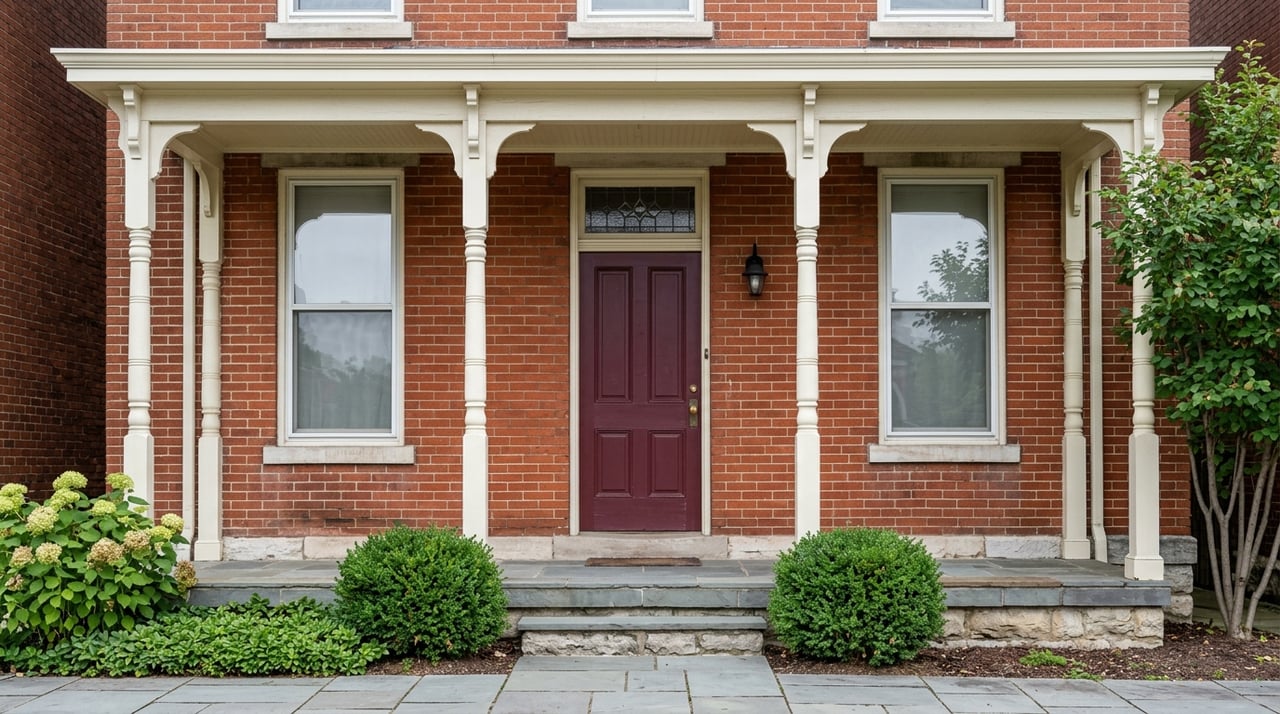
Thinking about buying a historic home in Bellefonte? It can be an exciting way to own a property with character, craftsmanship, and a real connection to the area’s past. It can also come with extra rules, repair needs, and budgeting questions that catch buyers off guard. If you know what to look for before you make an offer, you can move forward with more confidence. Let’s dive in.
Why Bellefonte draws historic-home buyers
Bellefonte has one of the strongest historic-home markets in the region because so much of its older housing stock is concentrated in and around its historic districts. The borough includes both a local historic district and a National Register historic district. They overlap in many places, but they are not the same.
That difference matters when you are house hunting. In Bellefonte, a home is not considered “historic” only because it is old. What really affects your day-to-day ownership is whether the property is inside the local historic district, since that is where exterior changes may be reviewed through the borough’s HARB process.
The local district was designated in 1970, and the National Register district was listed in 1977. According to the borough’s design guidelines, the local district contains up to 443 resources, including about 296 buildings in the central business district and additional buildings in nearby residential areas. Roughly 400 of those buildings were built before 1916.
Local district vs National Register
If you are buying in Bellefonte, this is one of the first things to confirm before you fall in love with a house. A property in the National Register district may be recognized for historic significance, but that alone does not regulate a private owner’s exterior work. The local historic district is the one tied to review rules.
That means two homes of similar age may come with different renovation paths depending on where they sit. Before you plan new windows, porch work, roofing, or an addition, it is smart to verify whether the property is within the locally regulated district.
Historic styles you may see in Bellefonte
Part of Bellefonte’s appeal is the variety. The borough’s historic district includes homes and buildings from the early and late 19th century, along with later vernacular forms.
Styles noted in the borough guidelines include:
- Georgian
- Dutch Colonial
- Greek Revival
- Gothic Revival
- Italianate
- Queen Anne
- Second Empire
- Colonial Revival
- Vernacular
- Craftsman/Foursquare
- Shingle
- Romanesque Revival
If you are wondering what you are most likely to see, the borough lists the most common primary styles as Late Victorian/Folk Victorian, Queen Anne, Colonial Revival, Italianate, Gothic Revival, and Vernacular. You may also notice location patterns within the borough.
The guidelines note that larger residential growth moved away from downtown toward streets such as Curtin and Linn, where homes tend to have deeper setbacks. Closer to the commercial core, you will see historic buildings lining downtown corridors, including Italianate examples on East High Street.
What makes these homes appealing
Historic homes often offer details that are hard to find in newer construction. In Bellefonte, that can include masonry facades, wood clapboard and trim, porches, bay windows, dormers, turrets, and older window and door details.
For many buyers, that character is the point. You are not just buying square footage. You are buying design features, materials, and streetscape appeal that have helped define Bellefonte for generations.
What to inspect before you buy
A historic home inspection should go beyond surface-level updates. Bellefonte’s district surveys identify recurring condition issues that can help you build a practical checklist.
Pay close attention to these items:
- Moisture damage at parapets, overhangs, and canopies
- Salt erosion near the base of exterior walls
- Exterior staining
- Peeling paint or deteriorating wood trim
- Condition of porches, bay windows, dormers, and turrets
- Whether original wood windows remain
- Whether windows have been replaced with vinyl or other non-original materials
- Roofing materials, including whether slate was replaced with asphalt shingles or metal
- Masonry condition, especially where repointing may be needed
These are not just cosmetic concerns. Based on the borough’s documented condition issues and common building materials, older Bellefonte homes may need meaningful work related to moisture control, flashing, masonry repair, porch repair, roof replacement, or window restoration.
Budgeting for repairs and updates
When you buy a historic home, your budget should leave room for more than paint colors and furniture. Older materials can be durable, but they often need specialized repair or careful replacement. That can affect both timing and cost.
If original features are still in place, that may be a major benefit for character and long-term value. It can also mean you should plan ahead for maintenance decisions that fit the home’s age, materials, and location within the district.
A smart approach is to budget for:
- Immediate safety or weather-related repairs
- Near-term exterior maintenance
- Permit and review timelines
- Materials that match the home’s historic appearance
- Contingency funds for issues discovered after closing
How HARB review works in Bellefonte
If the property is in Bellefonte’s local historic district and your project changes the exterior appearance, HARB review is required. The borough states that exterior projects visible from a public right-of-way need HARB review.
Before a zoning permit and building permit can be issued, you must first obtain a Certificate of Appropriateness. The application must be complete and include documentation such as photos and materials. The board meets on the second and fourth Tuesdays of each month, and applications must be submitted 12 days before the meeting date.
One detail many buyers miss is that even in-kind work still requires an application. So if you plan to replace a roof with matching materials, that does not automatically skip the review process.
What reviewers focus on
Bellefonte’s design guidance gives buyers a good sense of what matters most in exterior work. In general, the borough emphasizes preservation over replacement where possible.
The guidance says:
- Masonry should be preserved rather than covered
- Wood siding should keep its profile and configuration
- Windows should be retained whenever possible
- Synthetic replacement windows are highly discouraged
- Original doors and porches should be preserved
- Additions should fit the existing building in scale, materials, massing, proportion, size, and setback
These standards are especially important if you are considering additions, garages, porches, dormers, fences, or visible rooftop mechanical equipment. If you hope to personalize the home right away, it is wise to understand these expectations before you buy.
Permits beyond historic review
Historic review is only part of the process. The borough states that most exterior projects need a zoning permit, and most building projects also require a building permit through Centre Region Code.
The borough’s forms guidance says a zoning permit must be obtained before a building permit is issued. Centre Region Code Administration handles review, permit issuance, and inspections for building construction, rental housing, and commercial fire safety in the region.
For buyers, the takeaway is simple: do not assume your contractor can start work right after closing. If the property is in the local district, project timing may depend on both HARB review and the regular permit process.
What to expect on tax credits
Many buyers hear the word “historic” and assume tax breaks come with the house. In most owner-occupied situations, that is not the case.
The National Register does not automatically create a tax or grant benefit for a buyer. The federal rehabilitation tax credit is generally limited to income-producing properties, and owner-occupied residential properties do not qualify for the 20% federal rehabilitation tax credit.
If you are buying a Bellefonte historic home to live in yourself, the safest budgeting approach is to assume no automatic federal historic tax credit. If the property may include rental or business use, it is worth verifying eligibility early before making renovation plans.
A smart buying strategy for Bellefonte
Historic-home purchases tend to go best when you treat research as part of the offer process, not something you do after closing. A home can be beautiful, well located, and full of charm while still requiring a very specific plan for repairs and approvals.
Before you move forward, make sure you know:
- Whether the property is in the local historic district
- Which exterior features appear original
- What condition issues may affect near-term costs
- Whether your planned updates would trigger HARB review
- How permit timing could affect your renovation schedule
- Whether you should budget without relying on tax incentives
That kind of planning can help you buy with clear expectations instead of expensive surprises.
Historic homes in Bellefonte can be incredibly rewarding to own. When you understand the district rules, likely maintenance items, and approval process, you can enjoy the charm of an older home while making practical decisions for your budget and timeline. If you want local guidance as you compare properties in Bellefonte and the surrounding Centre County market, connect with Wanda Ryen for knowledgeable, responsive support.
FAQs
Is every old house in Bellefonte regulated as historic?
- No. The local historic district is what triggers HARB review for exterior work, while the National Register district by itself does not regulate private owners.
Do exterior changes on a Bellefonte historic home need HARB review?
- If the property is in the local historic district and the exterior project is visible from a public right-of-way, HARB review is required.
Can you replace windows in a Bellefonte historic home?
- Maybe, but Bellefonte’s design guidance says windows should be retained whenever possible, and synthetic replacement windows are highly discouraged.
Do Bellefonte historic homes come with automatic tax credits?
- Usually not if you plan to live in the home as your primary residence, since owner-occupied residential properties generally do not qualify for the federal rehabilitation tax credit.
What should buyers inspect first in a Bellefonte historic home?
- Focus on moisture damage, masonry, roof condition, wood trim, porch elements, window condition, and signs that original materials have been replaced or deteriorated.