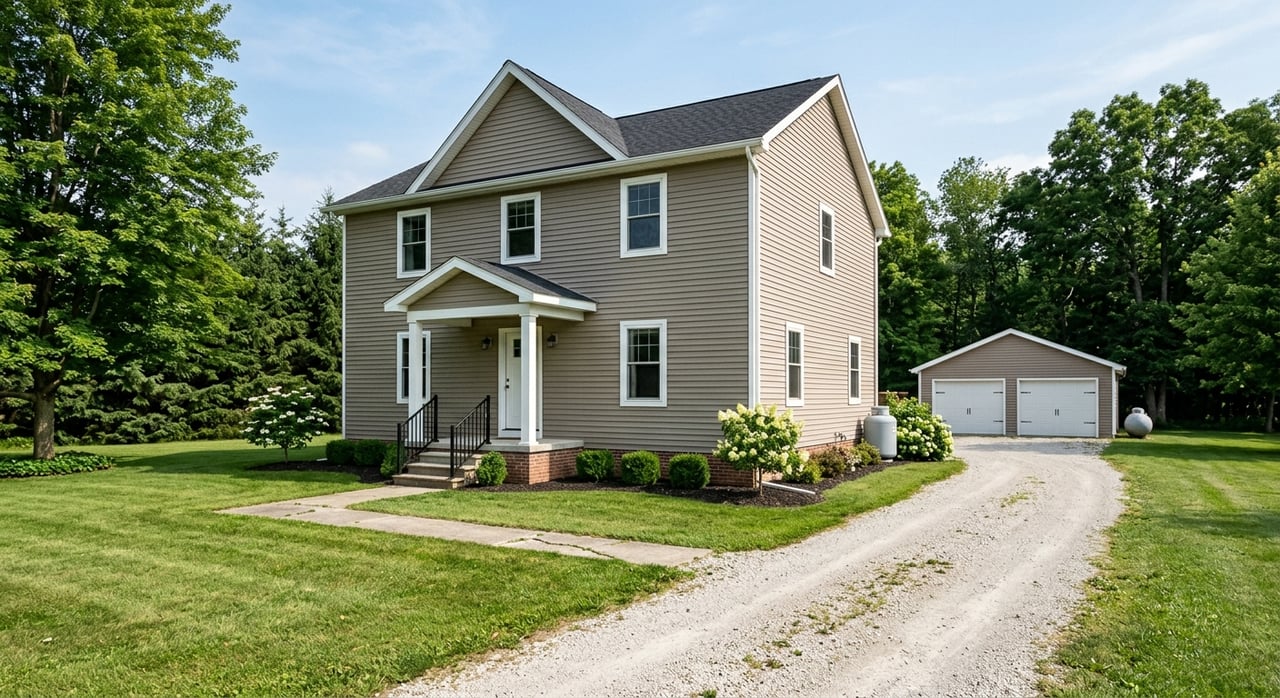
Trying to decide between a home in Philipsburg Borough and a place out on acreage nearby? That choice can shape your daily routine more than almost anything else. If you are weighing convenience against space, or public utilities against a more hands-on rural setup, it helps to look at how life really works around Philipsburg-Osceola. Let’s dive in.
Where in-town and country living split
Around Philipsburg-Osceola, the biggest difference is not just address. It is how the property fits into your day-to-day life.
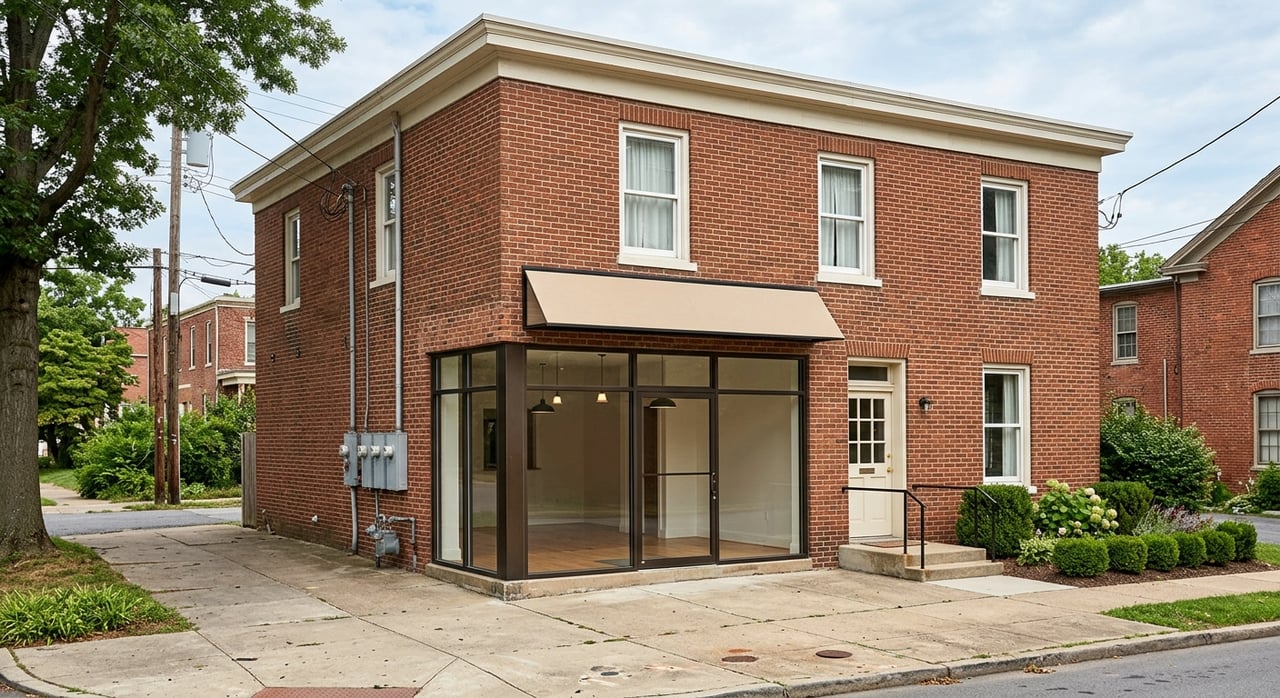
In-town living usually means the borough grid, more compact neighborhoods, and homes that sit closer together. Borough planning documents show that Philipsburg is set up for infill, efficient delivery of community services, and preservation of existing neighborhood character.
Country living usually means the rural edge outside that compact core. There, you are more likely to find detached homes, larger lots, and a little more distance between you and your neighbors.
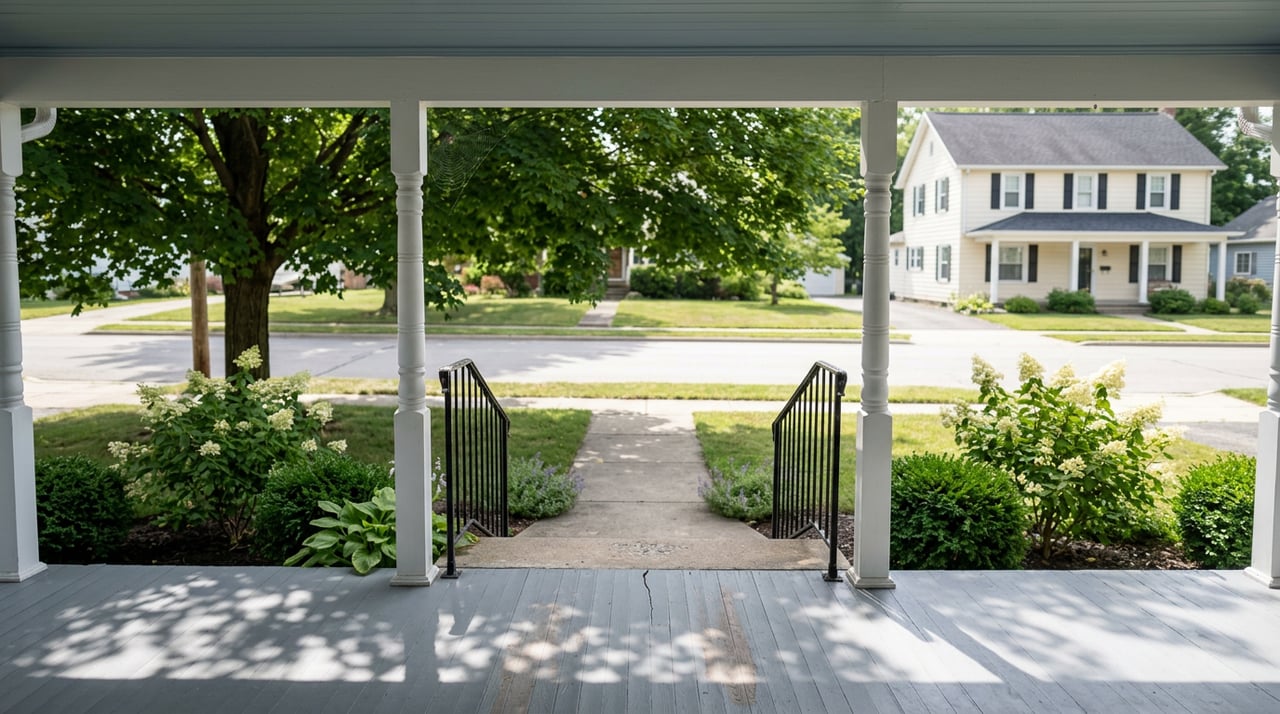
In-town living in Philipsburg
If you like shorter trips and a simpler errand pattern, in-town living may feel like the easier fit. Philipsburg’s borough core is the part of the market built for more compact residential living.
The zoning pattern reflects that. The borough includes low-density and medium-density residential districts, along with downtown commercial, highway commercial, industrial, and recreation or conservation areas. That mix supports a more connected, built-up environment than you will usually find outside town.
What homes in town often look like
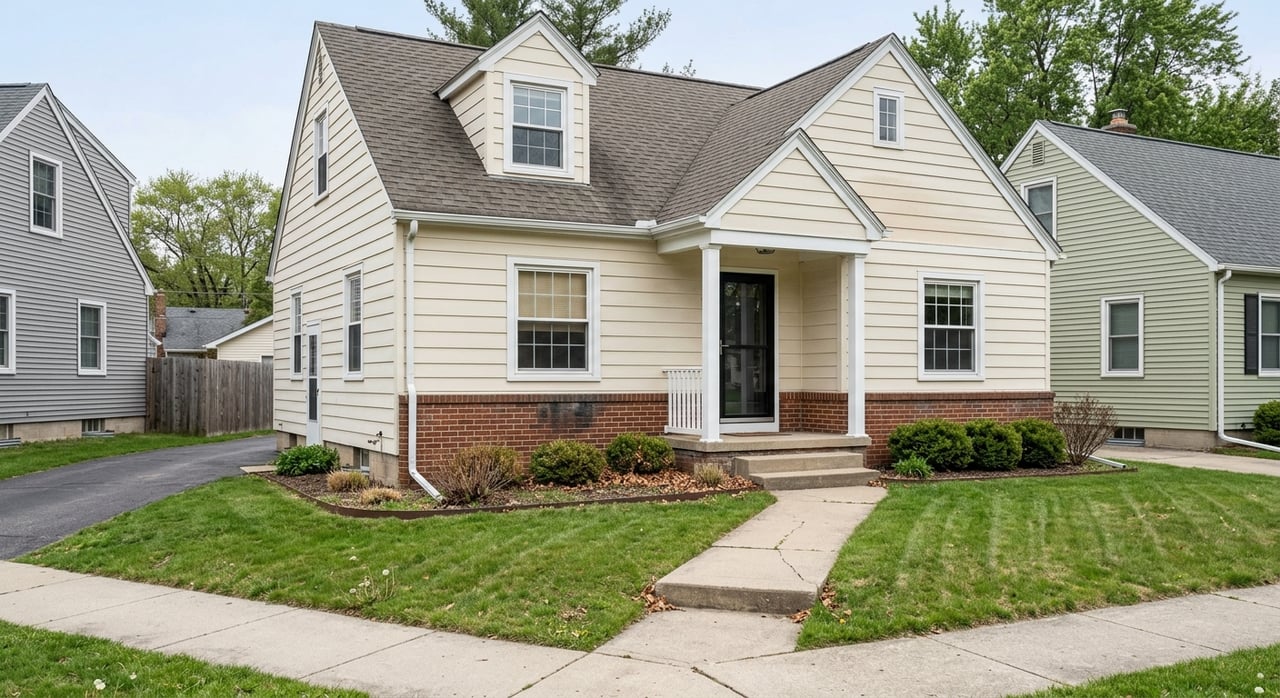
In-town homes are often on smaller lots and in established neighborhoods. Borough lot requirements can be as low as 1,000 square feet in some districts, with 5,000 square feet listed for the R1A residential district.
Housing data also show more variety inside Philipsburg Borough. Occupied housing in the borough is 55.1% detached homes and 29.3% apartments, which points to a denser and more mixed housing stock than the surrounding rural areas.
Some borough areas also include larger, older homes. The ordinance notes that the R2 district includes many large, older houses, which can appeal to buyers who want character and an in-town setting.
What daily life in town can feel like
Living in town can mean less driving for basic errands and services. You are more likely to be closer to borough infrastructure and the center of local activity.
That does not mean Philipsburg functions like a larger transit-heavy market. Regional documents show that transportation in the Moshannon Valley is still mostly car-based, but the borough core can cut down how far you need to drive compared with a country property.
What to keep in mind about town rules
In-town living can come with more structure. Borough rules limit overnight street parking for RVs, trailers, construction vehicles, and agricultural equipment in residential districts.
For some buyers, that feels like a fair trade for a more organized neighborhood setting. For others, especially those who need space for equipment or recreational vehicles, it may feel more restrictive.
Country living around Philipsburg-Osceola
If your top priority is elbow room, country living may make more sense. Outside the borough core, the housing pattern shifts toward more detached homes and larger parcels.
This is where many buyers look when they want open yard space, fewer nearby structures, or a property that feels more private. It is also the part of the market that often appeals to acreage buyers and small-farm shoppers.
What homes in the country often look like
The housing numbers show a clear contrast with the borough. In Rush Township, 83.7% of occupied housing is detached homes, with no reported 2-, 3-, or 4-unit apartment structures and only 5.8% in buildings with 10 or more units.
That supports what many buyers already expect. Outside town, you are usually choosing from more stand-alone homes and less dense development.
What daily life in the country can feel like
Country properties often trade convenience for space. The region is overwhelmingly car-first, with 81.1% of workers driving alone, 12.0% carpooling, 1.2% walking, 0.4% biking, and 5.3% working from home. The mean commute time in the Moshannon Valley is 29.3 minutes.
So the real question is not whether you will drive. It is how much driving you are comfortable with every week for work, errands, appointments, and activities.
Philipsburg sits on U.S. Route 322, and Centre County planning documents place it about 20 minutes from Interstates 80 and 99. That can help country buyers who do not mind highway-based travel, but it still means your routine may involve more time behind the wheel than an in-town address.
Utilities can change the decision
One of the biggest practical differences between in-town and country living is how the property handles water and wastewater. This can affect both your monthly costs and your maintenance responsibilities.
In Philipsburg Borough, there is a defined public utility footprint. The borough has separate sewer and water ordinance sections, sewer billing is handled through Philipsburg Borough, and county records list the Moshannon Valley Joint Sewer Authority in Philipsburg.
Pennsylvania American Water also announced more than $18 million in upgrades for the Philipsburg water system in 2025. For many buyers, that kind of public infrastructure feels straightforward and predictable.
What country buyers should know
Rural properties are more likely to rely on private wells and on-lot septic systems. That setup can work well, but it usually comes with more homeowner responsibility.
The Pennsylvania Department of Environmental Protection does not regulate private residential wells and recommends regular well-water testing. Centre County also has an on-lot septic management chapter that guides wastewater planning and best practices.
For you as a buyer, that means a country home may require a more detailed review during the buying process. Well testing, septic condition, and long-term maintenance should all be part of your budget thinking.
Convenience versus space
For many buyers, this decision comes down to a simple tradeoff. Do you want a home that keeps you closer to town services, or do you want more land and fewer nearby houses?
In-town buyers often value:
- Shorter trips for errands
- Access to public water and sewer
- Smaller lots with less outdoor upkeep
- A more compact neighborhood feel
Country buyers often value:
- Larger yards or acreage
- More detached-home options
- More separation from neighboring properties
- Flexibility that can come with a rural setting
Neither option is automatically better. The right fit depends on what you want your mornings, evenings, and weekends to look like.
How to compare costs the smart way
It is easy to focus only on list price, but that does not tell the whole story. Around Philipsburg-Osceola, utility type and maintenance needs can matter just as much.
A borough home may offer the ease of municipal water and sewer, but it may also come with a smaller lot and different parking or property-use rules. A country home may offer more land and privacy, but private wells and septic systems can add inspection, testing, and upkeep considerations.
When you compare homes, it helps to look at the full picture:
- Commute and weekly driving time
- Lot size and outdoor maintenance
- Water source
- Sewer or septic setup
- Parking and storage needs
- How much property upkeep you want to handle
Which lifestyle may fit you best
If you want a shorter errand pattern, more municipal infrastructure, and a more connected neighborhood setting, in-town Philipsburg may be the stronger match. Buyers who prefer a practical daily routine often start there.
If you want space, detached-home choices, and room to spread out, the country side of the market may be a better fit. That is especially true if you are comfortable with private systems and more driving.
In this area, the choice is usually not about one side being right and the other being wrong. It is about lifestyle math. Commute time, yard size, utility type, and maintenance expectations all matter.
If you are weighing in-town living against country living around Philipsburg-Osceola, having a local guide can make the decision much easier. The team at Wanda Ryen can help you compare homes, acreage, and neighborhoods across the Moshannon Valley so you can choose the setting that truly fits your life.
FAQs
What is the main difference between in-town and country living around Philipsburg-Osceola?
- In-town living usually means smaller lots, a more compact neighborhood setting, and easier access to public utilities, while country living usually means more space, more detached homes, and a greater chance of private well and septic systems.
What are commute patterns like around Philipsburg-Osceola?
- The Moshannon Valley is mostly car-based, with 81.1% of workers driving alone and an average commute time of 29.3 minutes, so the key difference is often how far you need to drive rather than whether you drive at all.
What utility differences should buyers expect in Philipsburg Borough versus rural properties?
- Philipsburg Borough has a clear public water and sewer footprint, while rural properties are more likely to use private wells and on-lot septic systems that may need testing and ongoing maintenance.
What kinds of homes are more common in Philipsburg Borough?
- Philipsburg Borough has a more mixed housing stock, including detached homes, apartments, and some larger older homes, with generally smaller lots than properties outside the borough core.
What kinds of homes are more common outside Philipsburg in rural areas?
- Rural areas such as Rush Township are more heavily made up of detached homes, which often gives buyers more yard space and a less dense setting.
Is in-town or country living better for buyers who want less maintenance around Philipsburg?
- Buyers who want less property upkeep often lean toward in-town homes with smaller lots and municipal services, while buyers who are comfortable maintaining more land and private systems may prefer the country.